
If you’ve ever stepped into a modern indoor golf bay, you know the feeling: you hit a shot, and instantly a wall of numbers pops up on screen—Ball Speed, Launch Angle, Spin Rate, Club Path, Face Angle, and Smash Factor. For many golfers, it can feel like trying to read a cockpit instrument panel. But once you know which metrics matter most for your specific goals, launch monitor data becomes your best tool for lowering scores.

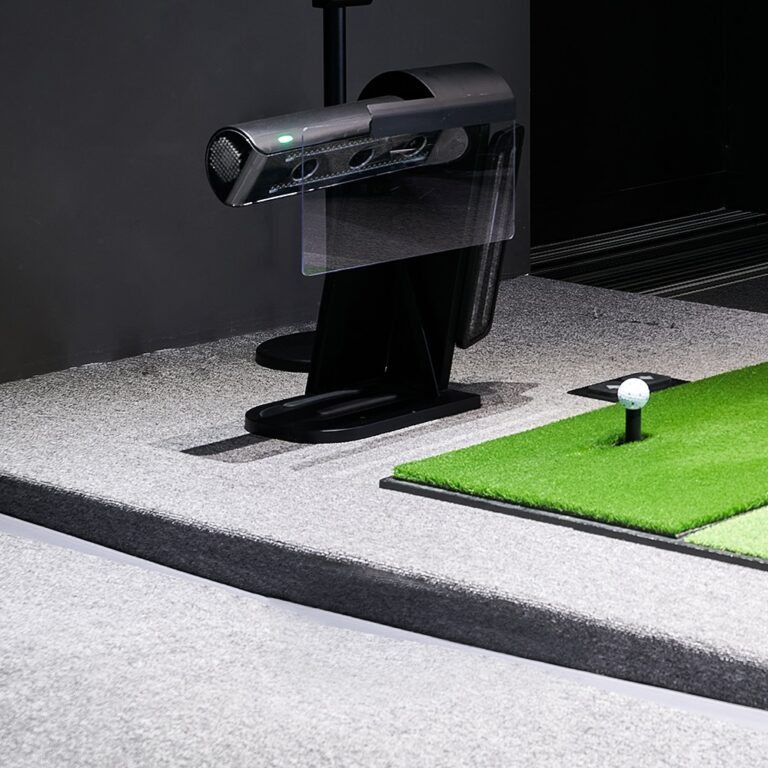
In this guide, Coach Daniel Cho breaks down the key numbers captured by tour-level launch monitors like the Foresight GCQuad and RangeX, what they mean for your ball flight, and how to use them during practice.
The Big Four: Ball Flight & Distance Metrics
1. Ball Speed
What it is: The speed of the golf ball immediately after leaving the clubface (measured in mph).
Why it matters: Ball speed is the primary driver of carry distance. Generating higher ball speed requires a combination of clubhead speed and centered impact.
2. Smash Factor (Impact Efficiency)
What it is: Ball Speed divided by Clubhead Speed (Smash Factor = Ball Speed / Club Speed).
Target Ranges:
- Driver: ~1.45 – 1.50
- Mid-Iron (6-iron): ~1.35 – 1.38
- Wedge: ~1.20 – 1.25
Why it matters: Smash Factor measures energy transfer efficiency. A driver hit off the toe or heel will drop your smash factor significantly, costing you distance even with a fast swing.
3. Launch Angle
What it is: The vertical angle at which the ball leaves the clubface relative to horizontal ground.
Why it matters: To maximize distance, launch angle must match your ball speed and spin rate:
- Slower Swing Speeds: Benefit from higher launch angles to keep the ball airborne longer.
- Faster Swing Speeds: Need a moderate launch angle to prevent the trajectory from ballooning.
4. Spin Rate & Spin Axis
What it is: The total backspin of the ball measured in Revolutions Per Minute (RPM).
General Rules of Thumb:
- Driver: Optimal spin is usually between
2,000 – 2,600 RPM. - Irons: A helpful baseline rule of thumb is
Iron Number × 1,000 RPM(e.g., a 7-iron should ideally spin around 6,000 – 7,000 RPM).
Spin Axis: Determines left-to-right or right-to-left curve. A tilted spin axis produces a draw or fade.
Club Delivery: Why the Ball Curved
5. Club Path & Face Angle (The Face-to-Path Relationship)
Your ball’s curvature and initial direction are dictated almost entirely by the interaction between Face Angle (where the clubhead is pointing at impact) and Club Path (the direction the club is traveling):
- Face Angle: Accounts for ~75–85% of the ball’s initial launch direction.
- Face relative to Path: Determines curvature:
- Face OPEN to Path: Result = Fade / Slice
- Face CLOSED to Path: Result = Draw / Hook
- Face EQUAL to Path: Result = Straight Shot
Putting It Into Action: How to Practice with Purpose
- Pick ONE Metric Per Session: Don’t try to fix everything at once. Focus on Smash Factor for driver distance, or Face Angle for start-line consistency on irons.
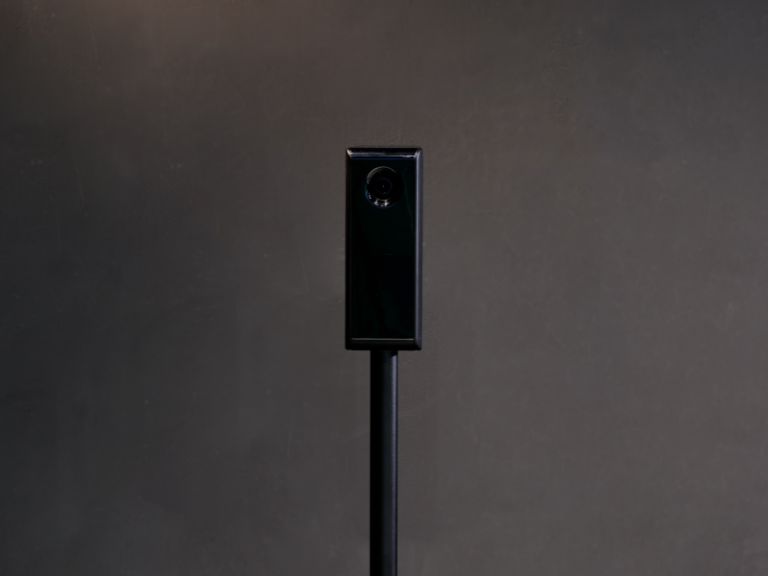
- Combine Video with Data: At My Swing Studio, use the RangeX dual-camera system to cross-reference what your swing feels like on camera with what the numbers show on screen.
- Get Fitted & Guided: Equipment or shaft changes can drastically optimize spin rates and launch angles without requiring a complete swing overhaul.